


Category 3 snow goggles
In the mountains, protecting your eyes is essential. Whether you are skiing or snowboarding, a pair of ski goggles of good quality protects you from intense UV rays and harsh weather conditions. Among the different types of goggles available, category 3 ski goggles stand out as an essential piece of equipment for sunny days. They are an indispensable part of your ski gear, ensuring comfort and safety on the slopes. In this guide, we will explain what category 3 ski goggles are and how to choose the right pair. We will also cover the other lens categories, the difference between category 2 and 3, as well as photochromic options, interchangeable lenses (magnetic systems), cylindrical or spherical lens shapes, not forgetting advice for prescription glasses wearers and the specifics of goggles for men, women or children.
Read more Show less

-
Recommended price
£70.31
-20%
£56.23
-
-
Recommended price
£87.91
-20%
£70.31

 New model
-
Recommended price
£329.91
-10%
£296.47
-
Recommended price
£329.91
-10%
£296.47


-
Recommended price
£87.91
-52%
£42.15
-
-
Recommended price
£35.11
-42%
£20.15
-

-
Recommended price
£167.11
-10%
£149.51
-



-
Recommended price
£228.71
-40%
£136.31

-
Recommended price
£87.91
-52%
£42.15
-
Recommended price
£307.91
-40%
£184.71

-
Recommended price
£193.51
-15%
£164.47
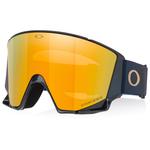
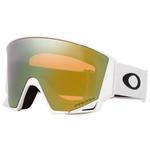
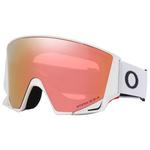
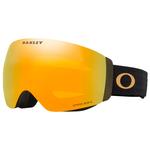
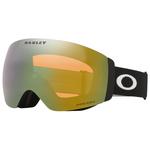
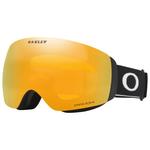
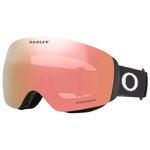
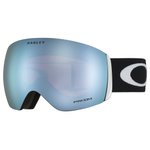
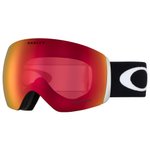
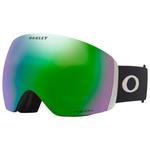
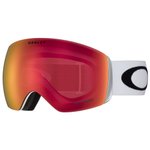
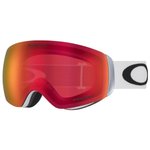
When the sun rays are shining bright on the snow, you need a suitable lens. This is the case of the one on the Flight Deck M Matte Black Prizm Rose Gold Iridium ski goggles from Oakley.
-
Recommended price
£193.51
-17%
£159.19
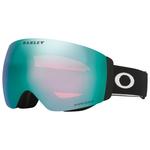
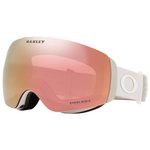
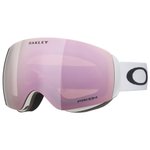
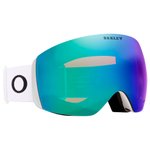
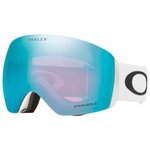
The Oakley Flight Deck frameless ski goggles feature a dual lens with Prizm™ technology offering perfect visibility and contrast enhancement.
-
Recommended price
£52.71
-56%
£22.79
-
-
Recommended price
£70.31
-52%
£33.35
INCLUDED
DAY RETURNS
Fixed costs
-
Recommended price
£96.71
-52%
£45.67
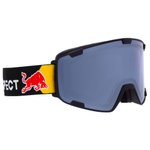
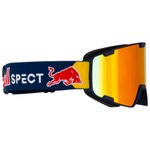
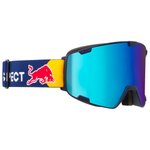
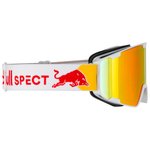
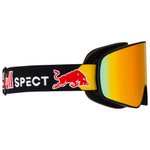
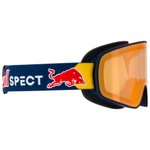
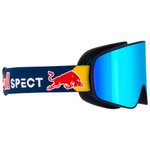
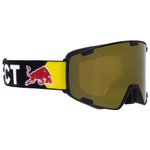
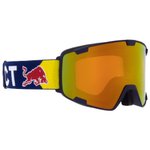
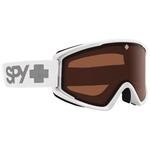
The Red Bull Spect Park White Gold Snow Orange With Gold Mirror ski goggle is ideal for good weather days. The triple-density foam offers a flawless comfort.
-
Recommended price
£52.71
-51%
£25.43
-

-
Recommended price
£193.51
-23%
£147.75
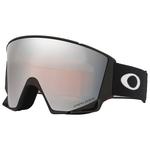
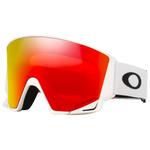
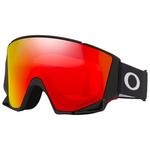
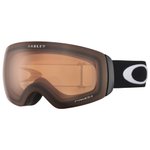
The Oakley Flight Deck Matte Black Prizm Persimmon ski goggle is ideal for white and foggy days with its category 1 Prizm lens.
-
Recommended price
£193.51
-15%
£164.47
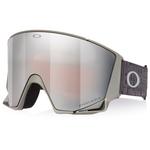
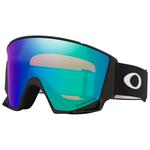
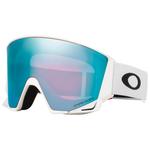
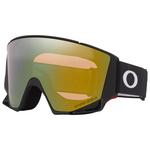
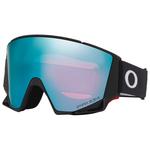
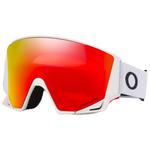
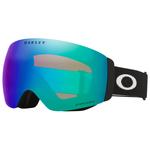
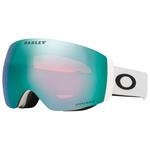
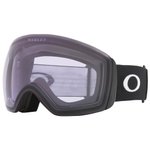
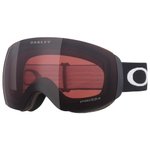
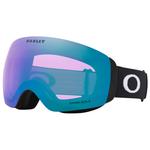
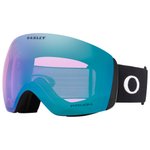
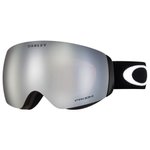
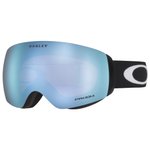
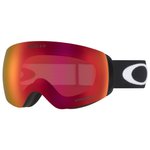
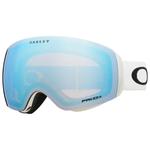
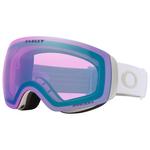
Admire the mountain views like never before with the spherical lens of the Oakley Flight Deck XM Matte Black Prizm Sapphire Iridium ski goggle.

-
Recommended price
£145.11
-15%
£123.11
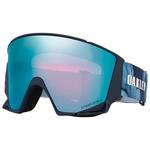
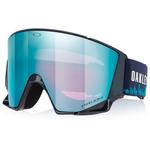
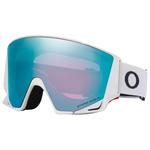
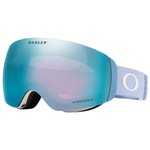
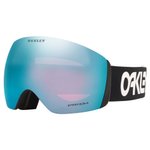
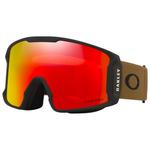
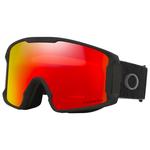
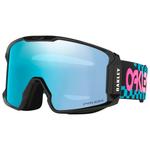
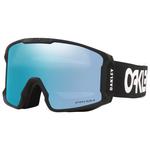
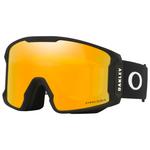
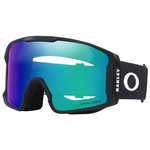
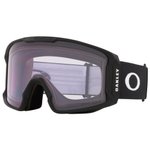
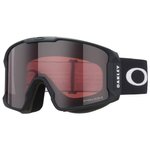
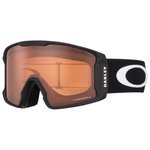
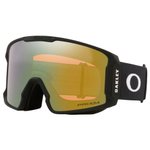
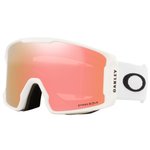
The Line Miner Xm Factory Pilot Whiteout Prizm Snow Sapphire Iridium is an Oakley with a category 3 Prizm lens offering 3 a spotless view in sunny days.


-
Recommended price
£145.11
-15%
£123.11
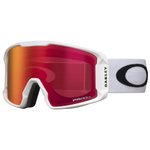
The Line Miner is an oversized ski goggle offering an unparalleled comfort with its double lens and Prizmâ„¢ technology.
-
Recommended price
£79.11
-11%
£70.31
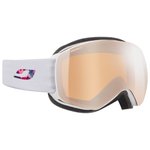
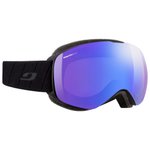
The Julbo Proxima Blanc Spectron 3 are lightweight, ergonomic ski goggles with a wide visual field, anti-fog ventilation, secure stability, and enhanced peripheral vision.


Loading...
What are category 3 ski goggles?
Category 3 ski goggles refer to goggles fitted with lenses whose sun filter is level 3 on the protection scale (which ranges from 0 to 4). In practice, this means that category 3 lenses let through around 8 to 18% of visible light. They are dark lenses, usually tinted grey or brown, often paired with a mirror coating to reduce glare. This type of lens is designed to provide comfortable vision in sunny weather, when the brightness is intense and light reflects strongly off the snow.
It is important to note that the category of a lens has no impact on UV protection: all quality ski goggles block 100% of UV rays, regardless of their category or colour. The category only indicates the amount of visible light filtered (also called VLT for Visible Light Transmission). Thus, category 3 ski goggles protect very well against glare in full sun but will be too dark for use in poor weather or at dusk. In fact, category 3 lenses are considered too dark to use in cloudy or bad weather and should be worn only on bright sunny days.
Which category should you choose for ski goggles?
Manufacturers offer lenses in different categories to cover all light conditions you may encounter in the mountains. The choice of category therefore depends on the weather conditions in which you are skiing. Here is a summary of the lens categories and their main uses:
- Category 0: very clear lenses (light transmission around 80%), for night skiing or extremely poor weather (night, thick fog)
- Category 1: clear lenses (transmission ~43 to 80%), ideal for low light conditions (whiteout, fog). Often yellow or orange to enhance contrasts, but too light if the sun returns
- Category 2: intermediate lenses (transmission ~18 to 43%), offering good versatility in cloudy to slightly sunny weather. Generally orange or pink, they’re a good compromise in variable conditions if you only have one pair of goggles
- Category 3: dark lenses (transmission ~8 to 18%), designed for bright sun. Generally grey or brown, often with a mirror coating to reduce glare. This is the most common protection for skiing in fine weather, filtering the majority of solar glare
- Category 4: very dark lenses (transmission around 8%), reserved for extreme brightness. Used at high altitude (mountaineering, glaciers). These extremely dark lenses offer maximum protection but are unusable in bad weather. Note that very few ski goggles come with category 4 lenses – this category is mainly found on glacier sunglasses.
Category 2 or 3 ski goggles: which should you choose?
Hesitating between category 2 and category 3 goggles? The choice depends essentially on your usual skiing conditions and your visual sensitivity. Category 3 ski goggles will be more effective in bright light: they significantly reduce light intensity and prevent glare in the middle of a sunny afternoon. On the other hand, they will darken vision too much when the sky is overcast or at the end of the day. Conversely, category 2 goggles provide brighter vision in cloudy or changeable weather but may be insufficient under a bright sun.
In practice, if you mostly ski early in the morning, on snowy days or at the end of the day, category 2 may be enough and give you more visual comfort. But if you often ski at high altitude or in bright sunshine in the middle of the day, category 3 is preferable to prevent eye fatigue. Ideally, it is useful to have both types of lenses to cover all situations.
Finally, an increasingly popular solution is to opt for photochromic ski goggles, which combine the benefits of categories 2 and 3 (or more) in a single lens, as we explain below.
Photochromic ski goggles: one lens for all weather
Photochromic ski goggles feature special technology that adjusts the tint of the lens according to ambient light. In strong UV radiation (intense sunshine), the lens reacts and gradually darkens. In contrast, in cloudy conditions or when the light decreases, the lens lightens automatically. This automatic change allows one pair of goggles to cover two or even three categories of protection. For example, some photochromic lenses shift from category 1 to 3, or from 2 to 4, in just a few minutes. You no longer need to change lenses or goggles when the weather changes: the goggles adapt continuously and always provide the right tint.
A pair of photochromic ski goggles that darken up to category 3 will protect you perfectly on bright sunny days, while still being able to lighten (to category 1 or 2) when the sun hides. This versatility comes at a price, as photochromic models are usually more expensive than standard goggles. Moreover, the technology has some limits: the tint adjustment is not instant and, on some entry-level lenses, effectiveness may be reduced in extreme cold. Nevertheless, modern photochromic lenses offer incomparable comfort, putting an end to the dilemma of ‘too light or too dark a lens’.
Several brands specialise in these adaptive lenses. For example, the French brand Julbo is renowned for its high-performance ’Reactiv’ photochromic lenses, available on many goggle models. If your budget allows, photochromic ski goggles are without doubt the most comfortable option to handle all light conditions with a single piece of equipment.
Interchangeable lens ski goggles: classic or magnetic systems
An alternative to photochromic lenses is to choose interchangeable lens ski goggles. These goggles are designed to allow quick lens replacement depending on the conditions. You can switch from a category 1/2 lens (for fog or snow) to a category 3 lens (for sunshine) as needed. Depending on the model and brand, the lens retention system varies: snap-on clips, rotating tabs, small levers, or magnetic attachments. Magnetic lenses are particularly popular as they make changes very quick and easy – simply snap the lens on or off the frame. A real advantage when changing lenses at the top of the slopes at -10°C with gloves on!
Some high-end models even come with two different category lenses (e.g. a category 1 lens for poor weather and a category 3 lens for sunshine). Magnetic ski goggles generally offer the best ergonomics, while clip or slot systems can take a bit longer but hold just as securely once fitted. It’s up to you, depending on your skiing style, whether you prefer to switch lenses manually or opt for a versatile lens as mentioned above.
Ski goggles and prescription glasses: the OTG solution
For skiers who wear prescription glasses daily, there are specific ski goggles called OTG (Over The Glasses). These models offer increased internal volume and incorporate cut-outs in the foam at the temples, allowing glasses to fit comfortably under the goggles. This way you can keep your corrective glasses on while enjoying category 3 ski goggles that are both comfortable and effective.
Many brands offer OTG goggles. For example, Julbo and Oakley provide very efficient high-end models, while Cairn and Cébé sell more affordable options. If you wear glasses, don’t hesitate to choose goggles marked ‘OTG’ to preserve your visual comfort on the slopes.
Ski goggles for men, women or children
Ski goggles also come in versions tailored for different face shapes, even though technically most are unisex. Here’s what you need to know depending on your profile:
Men’s ski goggles
Men’s ski goggles generally refer to standard adult-sized models, often available in neutral colours or larger sizes. As men usually have broader faces, men’s goggles are generally slightly bigger and come with a longer strap. If you are a man, simply choose a pair of goggles suited to your facial shape and helmet. Most adult category 3 goggles will be suitable, as long as they provide comfort and a wide enough field of view. Note that most adult goggles are unisex: women’s models will often fit men too, and vice versa.
Women’s ski goggles
Women’s ski goggles are often more compact versions of unisex models, with colours or patterns seen as more ‘feminine’. The key for a female skier is to have goggles that fit well to a slimmer face: a model that is too large will let in cold air and won’t match the helmet properly. So choose goggles marked as women’s or small fit if you have a smaller face. Many brands offer their best goggles in a women’s version, keeping the same quality of lens (often category 3 for sunshine), but with a narrower frame. Select the design you like, bearing in mind that protection and visibility come before looks.
Children’s ski goggles
Children’s ski goggles are an essential item not to be overlooked. Children’s eyes are very sensitive to UV rays, and glare from snow can dazzle them just as much as adults. It is therefore crucial to equip them with goggles that provide sufficient protection. For fine weather in the mountains, category 3 lenses are also recommended for children, to effectively protect their delicate eyes. Choose category 3 for a child skiing in sunny weather: it will prevent glare and make their day more enjoyable. In terms of size, opt for goggles truly designed for children, as junior models feature narrower frames to suit smaller faces and shorter straps to fit smaller helmets. Comfort is key: soft foam, easy adjustment, anti-fog ventilation, etc.
Practical advice
In conclusion, remember that category 3 ski goggles are the ideal choice for outings under bright sunshine, thanks to their high level of glare protection. But the best goggles are above all those that meet your real needs on the slopes. Here are a few points to consider when buying:
- Usual skiing conditions: identify whether you ski mainly in sunshine, fog, snowfall... This will guide your choice of lens category or photochromic option
- Helmet compatibility: try the goggles with your helmet to ensure they fit well, without leaving a gap between the top of the goggles and the helmet
- Comfort and ventilation: make sure the face foam is soft and fits your face properly. Good ventilation and anti-fog solutions (double lens, special coating) = clear vision guaranteed
- Ease of use: if you choose interchangeable lens goggles, make sure the retention system (clips, magnets...) is easy to handle. And if you wear glasses, choose OTG-compatible goggles
- Care: always store your goggles in a pouch to avoid scratches. Never place the lens face down on a surface (table, snow) and don’t rub the inside of the lens: let it air dry to preserve the anti-fog layer
- Optical quality: not all category 3 lenses are the same. High-end models often provide sharper, more contrast-rich vision, with additional filters (mirror, partial polarisation, etc.)
By following this advice, you will get the most out of your category 3 ski goggles on your next mountain adventures. Enjoy your skiing and take care of your eyes on the slopes!