


Hiking Baby carrier
Which Baby Carrier Should You Choose for Hiking?
Pushchairs are a thing of the past — it’s now much easier to take your baby out on walks from a very young age. But before your child is able to walk on the trails, you’ll need to carry them. The question is: what type of baby carrier should you use? Among the hiking gear selected by Glisshop, you’ll find a variety of baby carriers that are just as comfortable for your child as they are for you — and that will easily convince you to leave the pushchair in the garage for good. Discover our selection with models such as the Poco from Osprey or Deurter Kid Comfort.
Read more Show less

-
Recommended price
£13.11
-33%
£8.71
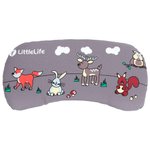
The Child Carrier Face Pad from Littlelife is a replacement face pad with an animal motif designed for baby carrier bags.
-
Recommended price
£114.31
-15%
£96.71
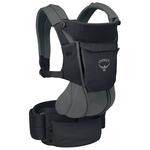
The Osprey Poco Soft Child Carrier Lt Black is an eco-friendly, comfortable and adjustable child carrier backpack, perfect for day hikes, made from 100% recycled nylon.

-
Recommended price
£114.31
-15%
£96.71
The Osprey Poco Soft Child Carrier Lt Tan Concrete is an eco-friendly, comfortable and adjustable child carrier backpack, ideal for day hikes, made from fully recycled nylon.
Loading...
How to Choose the Right Hiking Baby Carrier?
When selecting a hiking baby carrier, several technical criteria must be considered to ensure both comfort and safety for the child and the carrier. Here are the key factors to examine:
- Safety: Prioritise models that meet current safety standards (such as EN 13209 European standard). A quality hiking carrier should have a five-point harness to keep your child secure, and a stable frame (often with a kickstand) to prevent tipping over during breaks. Look for protective accessories like a sunshade and rain cover — essential for shielding your baby from UV rays and bad weather during hikes.
- Comfort: Check the quality of the seat for the child and the carrying system for the adult. The child should sit in an ergonomic, well-padded seat that supports a natural posture, including the recommended ‘M-position’ for the legs. The carrier should benefit from wide, padded shoulder straps and a hip belt for shock absorption and proper weight distribution across the hips — crucial for avoiding discomfort on long hikes.
- Ventilation: Opt for a carrier with an effective ventilation system. Good airflow across the back of the adult and around the child helps wick away heat and sweat — especially important during warm-weather outings. Some models feature mesh panels or a gap between the carrier’s back and the child’s seat to improve air circulation.
- Weight Capacity: Check the maximum load supported by the carrier (generally around 15 to 22 kg depending on the model). This determines the age and weight up to which you can safely carry your child. Don’t exceed this limit, as it may damage the carrier and lead to excessive fatigue. Many hiking baby carriers also include storage space (pockets, compartments) for gear and snacks — just be careful not to overload, to maintain balance and comfort.
- Fit for the Wearer’s Body: As everyone’s body is different, choose a highly adjustable model. A good hiking baby carrier will have adjustable straps (shoulder straps, waist belt, and sometimes an adjustable back panel) to match your size and build. This ensures a close fit, optimal weight distribution, and a stable, comfortable carry — whether worn by mum or dad.
Each of these points contributes to a safe and comfortable carrying experience during hikes. By assessing safety, comfort, ventilation, weight capacity and adjustability, you’ll be ready to choose the hiking baby carrier that best meets your needs and enjoy the outdoors with your child.
What’s the Suitable Age Range for a Hiking Baby Carrier?
It’s commonly said that hiking baby carriers are suitable for children from 6 months to around 3 or 4 years old. However, since every child grows at their own pace, it’s better to focus on your child’s weight and size rather than just their age. The length of your hikes and the type of terrain should also be considered.
Which Type of Physiological Baby Carrier Can You Use for Hiking?
Up to 12 months, it’s often recommended to carry a baby in front of you, their tummy against yours. This position respects the child’s physiology when they’re not yet able to sit up, keeping them snuggled close and rocked to sleep by your movements.
Current options for physiological carrying include wraps, slings or ring-slings, structured or preformed soft carriers, meï-taïs, or more rarely, babywearing clothing.
Which Back Carrier for Hiking with a Child Up to 25 kg?
Once your child can sit up, you can switch to a model with a design similar to a hiking backpack — featuring a padded back panel, adjustable shoulder straps, chest strap and hip belt. These carriers are breathable and comfortable for both child and adult vand are ideal for family outings.
The child carriers selected by Glisshop from brands like Osprey, Dromader, Deuter, Ferrino and Littlelife, feature a padded seat with headrest, foot stirrups and adjustable harness, ensuring your child is perfectly positioned and secure. They also come with various pockets to carry your child’s essentials as well as your own.
Some feature an integrated sunshade that also offers protection from rain. They’re designed to accommodate children up to around 20–25 kg. To ensure carrying comfort, we recommend keeping the total load on your back to no more than 20% of your body weight.
What’s the Best Type of Backpack Carrier for Mountain Hiking?
While you’ll need to wait until your child can sit upright before using a backpack-style carrier, some framed models are especially suited for mountain hiking. Their structure offers secure seating for your child and highly comfortable carrying. They make it easier to handle rugged terrain and ensure excellent weight distribution across your back, shoulders and especially your hips — ideal for longer outings.
The best mountain-ready carriers typically feature greater storage capacity and numerous compartments, allowing you to carry more gear. Since mountain weather can shift quickly, you’ll be able to pack food, water, and layers to keep both you and your child warm and dry.
We hope we’ve inspired you to set the pushchair aside and experience the joys of hiking with a physiological carrier or backpack-style baby carrier — and to enjoy unforgettable outdoor moments with your little one.
Explore Leading Brands Like Deuter, Osprey and More
At Glisshop, we offer a wide range of models from trusted brands such as Deuter and Osprey. Feel free to compare models to find the one that suits you best — and if you’re unsure, don’t hesitate to contact one of our experts for help in making your choice.