


Belaying in climbing is one of the fundamental pillars of safety in all disciplines. Understanding the different belay systems, their uses and limitations is essential for every climber, from beginners to advanced enthusiasts. This guide explores belay devices in depth, key techniques, common mistakes, and best practices recommended by specialist organisations and manufacturers.
Important: this guide is not a substitute for supervised practical training. Belaying requires learning with a qualified instructor to master the techniques, reactions, and possible scenarios.
Key takeaways
- Belay systems are divided into three main categories: tubes, assisted braking devices, and guide mode devices.
- The brake hand must always remain on the rope’s dead end.
- Always perform a partner check: knot, harness, device, and locking carabiner.
- In the event of a fall, use a dynamic belay to reduce impact and minimise injury risk.
- Belaying demands constant attention and clear communication between partners.
- Belay glasses and gloves enhance comfort, safety, and endurance during long sessions.
Belay and abseil devices in climbing
Climbing belay devices encompass various belay and abseil systems designed to manage rope friction and provide effective braking during belaying or descent. They are classified into three main families, according to UIAA standards and manufacturer specifications. Below is an overview of the three main types of belay devices:
Manual devices
Tubes (Reverso, ATC, etc.), versatile, lightweight, and suitable for most climbing styles, whether top-roping or lead climbing.

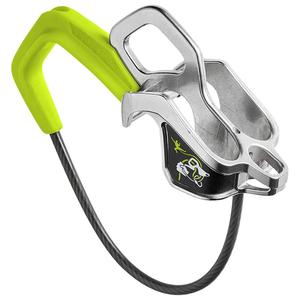
Assisted braking devices
Models such as the Mega Jul II, some cam-based or geometric devices. They assist with braking but are not automatic: the brake hand must always stay on the rope.
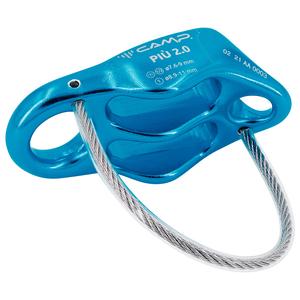
Guide mode devices
Tubes such as the Reverso or similar, allowing the belayer to belay a second directly from the anchor, widely used in multi-pitch climbing.
Within these three main categories, several variations exist. Here is an overview of the most common devices:
Tube-style belay device
Easy to use, suitable for lead climbing, top-roping, and abseiling.
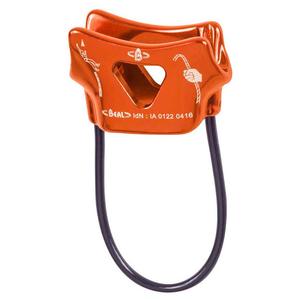
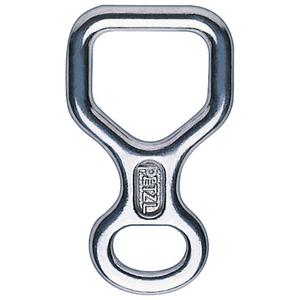
Figure-eight device
A traditional friction-based system; now less common and even banned in some areas due to its less progressive braking.
Assisted braking system
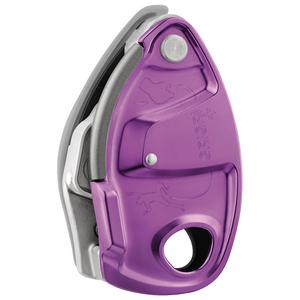
Devices (excluding self-belay) such as the Grigri or Neox provide braking assistance without being fully automatic.
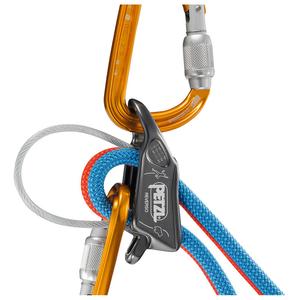
Reverso
A versatile device allowing the belaying of the lead climber, one or two seconds, and abseiling (used in guide mode).
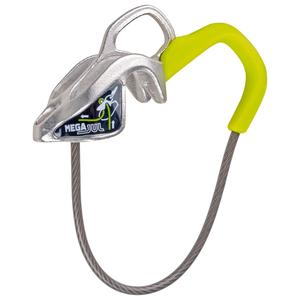
Mega Jul
A robust assisted-braking device, valued for its efficiency and versatility.
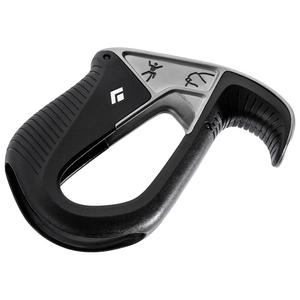
Hybrid systems
Devices such as the ATC Pilot, Jul, and Smart, which sit between an assisted-braking device like the Grigri and a tube.
Self-belaying and specialised devices
Self-belaying in climbing is an advanced technique reserved for professional, scientific, or specific applications (work at height, exploration, supervised training). It requires equipment designed specifically for this purpose and an in-depth understanding of its limitations.
Lead climbing: specific techniques
Lead climbing demands precise rope management and constant anticipation of the lead climber’s movements.
Auto belay systems in climbing gyms
Automatic belay systems are designed exclusively for indoor climbing walls. They reduce errors linked to the belayer’s role but do not make the activity ‘risk-free’.
- Clipping correctly: the most common mistake is forgetting to attach the device to the harness.
- Controlling the descent: keep your hands on the rope at the end of the climb.
- Beginner auto belay climbing: useful for discovering vertical movement but requires specific instruction and constant attention.
Climbing safety: fundamental principles
Climbing safety relies on communication, alertness, and mastery of belaying techniques. The partner check remains an essential step.
- Partner check technique: cross-checking the knot, harness, and belay device.
- Belaying technique: should be reviewed regularly.
The belayer’s role and core technique
Belaying involves managing rope movement to protect the climber in all situations. The belayer’s body position, hand placement, and understanding of the belay chain are crucial to prevent any serious consequences in the event of a fall.
Fundamental movements
- Brake hand down: the brake hand must always remain below the device, holding the brake strand.
- Active hand up: allows smooth rope feeding or taking in.
- Belayer’s harness: properly adjusted for a stable and comfortable stance.
- Locking carabiner: essential for connecting the device to the harness belay loop.
- Tie-in knot: must always be checked before climbing.
The 5 steps of belaying
Many climbing schools teach a 4- or 5-step method inspired by alpine club recommendations, including those of the German Alpine Club (DAV). The goal is always to keep the brake hand on the rope.
The 5 steps
- Take in slack: the left hand pulls the upper rope strand.
- Lock off: the right hand moves down onto the brake strand.
- Feed slack: smooth movement without releasing the brake hand.
- Return hands down: safe repositioning.
- Control: maintain constant grip on the brake strand.
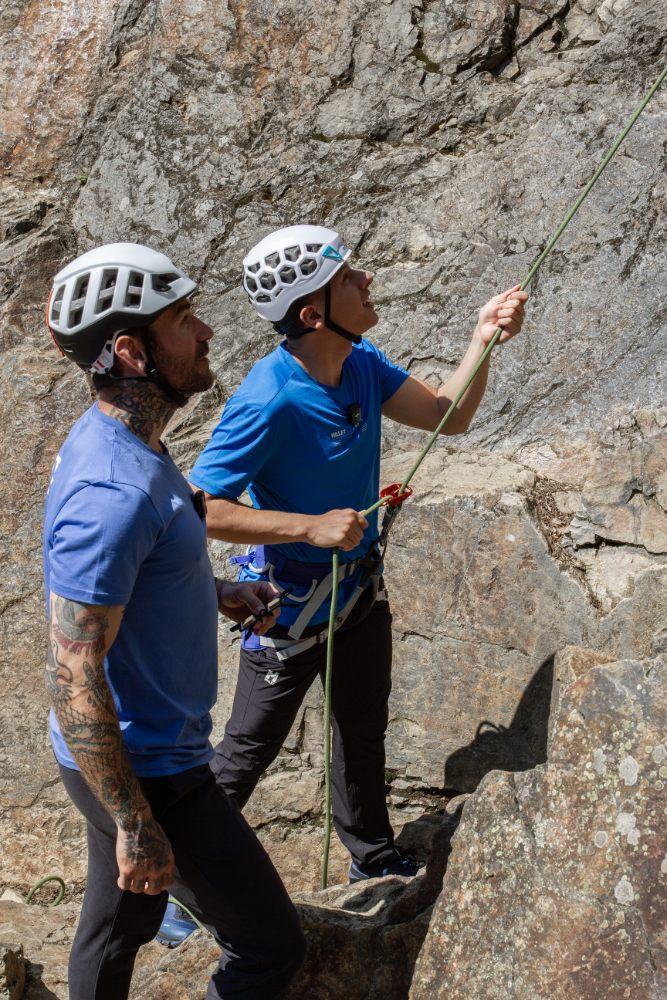
How to belay in climbing?
Belaying in climbing means managing the rope to protect the climber in case of a fall. This action relies on three inseparable pillars: correct technique, suitable equipment, and constant vigilance. The belayer is responsible for rope tension, braking, and communication with their partner.
1. Check your equipment before starting
Before any climb, both belayer and climber perform a partner check. This includes verifying the tie-in knot, ensuring the harness is properly adjusted, checking that the belay device is correctly attached to a locking carabiner, and inspecting the rope’s condition. Every element must be checked systematically, even between experienced climbers.
2. Adopt the correct stance
The belayer stands close to the wall, knees slightly bent, always maintaining visual contact with the climber. The brake hand must always stay on the rope’s outgoing strand. The upper hand feeds or takes in rope, while the lower hand ensures locking in the event of a fall.
3. Master the 4- or 5-step technique
The various methods share one key principle: always keep the brake hand on the rope. The belayer takes in or feeds slack, returns to the lock-off position, and maintains rope tension. The movement should be smooth, never letting go of the brake strand.
4. Manage slack according to the situation
When top-roping, the rope should remain relatively tight to prevent falling to the ground. In lead climbing, the climber needs more freedom of movement, but the belayer must still maintain enough control to cushion a potential fall. Proper slack management is essential to reduce impact forces, avoid pulling the climber, and prevent accidents.
5. Dynamic belaying
When a fall occurs, the belayer slightly accompanies the rope tension to absorb the impact on the climber. This absorbing movement, known as dynamic belaying, reduces the risk of injury and lessens the load transmitted to the equipment.
6. Communicate clearly
Commands should be simple and audible: ‘Ready?’, ‘On belay!’, ‘Take!’, ‘Slack!’. Clear communication prevents misunderstandings and ensures smooth coordination between partners.
7. Stay focused from start to finish
Belaying requires constant attention. The belayer must always keep their hands on the rope, stay alert to the climber’s progress, anticipate key moves, and never look away. Any distraction significantly increases the risk of an accident. To keep an eye on your partner without straining your neck, you can use belay glasses.
8. Lower the climber safely
For the descent, the belayer gradually feeds the rope. They keep the brake hand firmly on the strand, control the speed, and remain stable until the climber has both feet on the ground.
Important: learning to belay requires guided practice. This summary does not replace formal instruction from a qualified professional or climbing club.
To review the basics of climbing, feel free to visit our dedicated guide: Everything you need to know about climbing
How to belay when top-roping?
Some useful accessories for belaying:
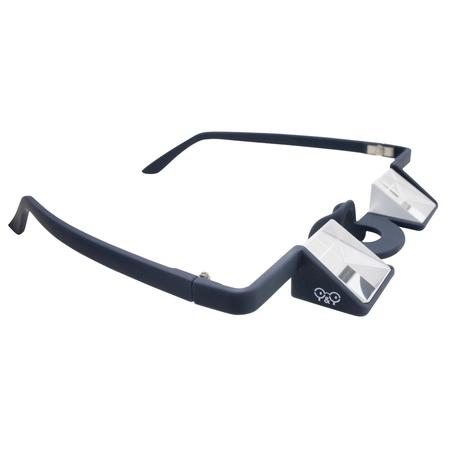
Belay glasses for climbing: comfort and attentiveness
Belay glasses use prisms that allow you to observe the climber without tilting your head back. They enhance alertness while reducing neck strain and fatigue.
- Comfort: ideal for extended belaying sessions.
- Constant vision: enables you to follow every move of the climber.
- Compatible with prescription glasses: depending on the model.
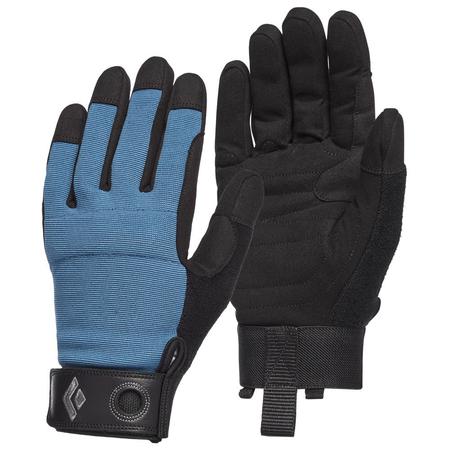
Belay gloves: protection and comfort
Belay gloves protect your hands during braking, especially when using thin or damp ropes.
- Friction protection: minimises rope burns.
- Improved grip: useful for abseiling and lowering.
- Comfort: reduces hand fatigue during prolonged use.
Climbing belay system: operation and equipment selection
A belay system includes a dedicated device, a screwgate carabiner, a suitable rope, a harness, and sometimes belay gloves. All these components work together to absorb the impact of a fall and prevent ground falls. To learn how to choose your belay device, refer to our dedicated guide: Which belay/descender should you choose?
The benefits of buying your belay gear from Glisshop
- The best equipment at the best price
- Easy returns with 100 days to change your mind
- Secure payment
- Our team of experts supports you from pre-purchase advice to after-sales service