


In trail running, your outfit shouldn’t be chosen solely based on temperature. The intensity of the effort, elevation gain, wind exposure and duration of the run all directly affect the body’s thermal regulation. A long uphill section generates a lot of heat, while an exposed downhill can lead to rapid cooling.
Choosing the right trail running clothing is therefore essential to maintain optimal thermal comfort, prevent sweat build-up, and stay efficient on the trails. In this guide, we’ll look at how to adapt your trail running apparel according to weather conditions and the type of outing.
Contents
- The basic principles of dressing for trail running
- What to wear for trail running in hot weather?
- What to wear for mid-season trail running?
- What to wear for trail running in the rain?
- How to dress for winter trail running?
- Common mistakes when choosing your trail running outfit
- What trail running outfit should you wear depending on the weather? (summary)
Key points to remember:
- Dress according to your level of exertion, you’ll quickly warm up on the ascent.
- Opt for breathable clothing to stay dry and comfortable.
- Layer lightweight garments rather than wearing a single thick piece.
- In warm weather: prioritise lightness, ventilation and proper hydration.
- In unsettled conditions: pack a windbreaker that’s easy to stow away.
- In wet weather: prevent chill with a suitable waterproof jacket.
- Avoid overdressing, it’s better to start off feeling slightly cool.
- Always adjust your outfit to the duration and conditions of your outing.
The basic principles of dressing for trail running
Before adapting your outfit to the weather conditions, a few key rules help optimise thermal comfort during exertion. In trail running, the goal is to maintain a balance between heat generation and moisture wicking.
Thermoregulation during activity
During a sustained climb, the body produces a significant amount of heat. If clothing does not allow perspiration to escape effectively, moisture builds up and can cause a sudden chill when the intensity decreases.
Technical, breathable fabrics help wick away this moisture and prevent the cold sensation caused by damp clothing.
Breathability and quick drying
The technical fabrics used in trail running apparel promote air circulation and fast drying. This breathability is particularly important on long runs or routes with substantial elevation gain.
Freedom of movement on technical terrain
Trail running involves varied foot placements, fast descents, and frequent changes in pace. Clothing must therefore provide excellent range of motion: stretch fabrics, ergonomic cuts, and flat seams enhance comfort on rugged trails.
The three-layer system applied to trail running
The three-layer principle remains a benchmark for managing temperature variations:
- a breathable base layer next to the skin
- a lightweight insulating mid-layer if required
- a protective outer shell against wind or rain
In trail running, this system is generally simplified to reduce weight and improve breathability during exertion.
Key takeaway: when trail running, it’s better to start off slightly cool, your physical activity will quickly generate the warmth you need.
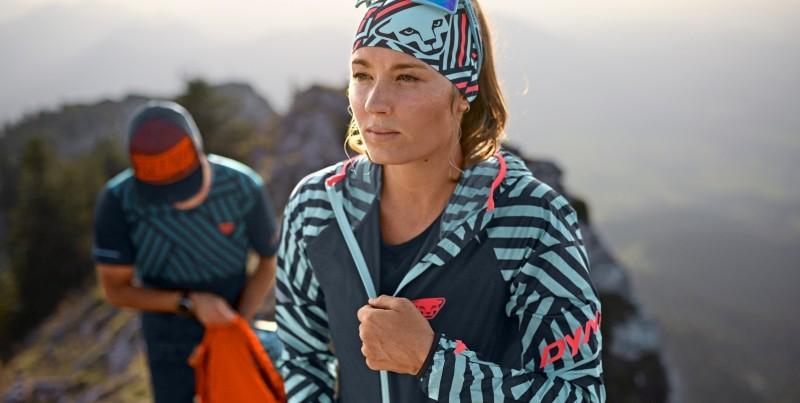
What to wear for trail running in hot weather?
When temperatures rise, the key is to maximise body ventilation to prevent overheating. On exposed routes, managing hydration and sun protection also becomes crucial.
Breathable technical T-shirt
A breathable trail running T-shirt efficiently wicks away perspiration and helps maintain a cool, dry feel. Micro-perforated or mesh fabrics enhance airflow.
Lightweight, breathable shorts
A pair of trail running shorts made from lightweight materials helps reduce heat build-up. Designs with integrated briefs or compression shorts also minimise chafing on longer runs.
Sun protection
On high-altitude trails or exposed paths, shielding your head and eyes is essential. A lightweight cap and trail running sunglasses help reduce glare and eye fatigue.
Hydration management
In hot conditions, carrying enough water is vital. Hydration vests and packs make it easy to bring along soft flasks or a hydration bladder for extended outings.
Common scenario: if your run lasts more than 1 hour 30 minutes in great heat, opt for highly breathable clothing and always plan a hydration solution.
What to wear for mid-season trail running?
Spring and autumn are often the most unpredictable seasons for trail running. A run might start in the cool morning air and finish under a mild sun. Adapting your clothing is therefore essential.
Lightweight long-sleeve top
A breathable long-sleeve top provides light protection against the cold while ensuring effective moisture wicking as your effort intensifies.
Packable windproof jacket
A lightweight windbreaker can be easily stowed in a running vest or hydration pack. It becomes particularly useful when the wind picks up or when temperatures drop at higher altitude.
Lightweight running tights
When the temperature is cool, a pair of trail running tights offers an ideal balance between thermal comfort and freedom of movement.
Pro tip: opt for several lightweight layers rather than a single thick garment so you can adjust your outfit easily throughout your run.
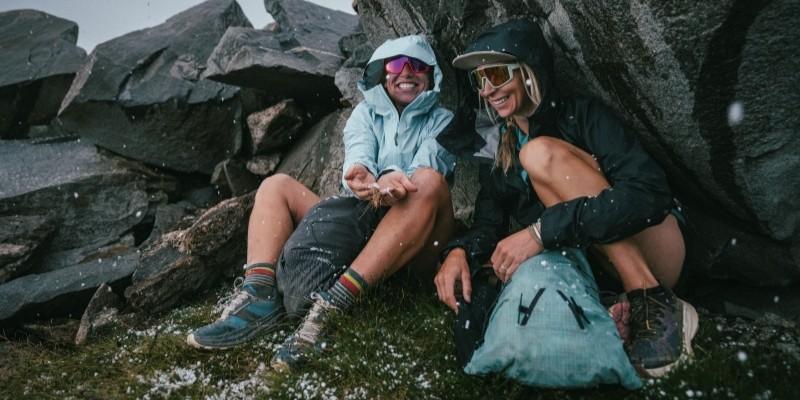
What to wear for trail running in the rain?
Running in wet conditions requires a different approach to moisture management. The goal isn’t necessarily to stay completely dry, but to minimise the cooling effect of rain and wind.
Waterproof and breathable jacket
A waterproof trail running jacket provides effective protection from rain while allowing perspiration to escape.
Windbreaker or waterproof membrane jacket
A lightweight windbreaker is often sufficient in light wind or drizzle. For wetter conditions, jackets featuring a waterproof membrane deliver enhanced weather protection.
Weight and packability
Trail running jackets are designed to be highly packable so they can be easily stowed in a hydration pack during your run.
How to dress for winter trail running?
When temperatures drop, thermal regulation becomes more challenging. You need to stay well protected from the cold while avoiding excessive sweat build-up during exertion.
Layering, protecting your extremities, and managing wind exposure are all key factors. These aspects often require purpose-built gear.
For more in-depth advice, check out our comprehensive guide dedicated to winter trail running: gear, safety and common mistakes to avoid.

Common mistakes when choosing your trail running outfit
Overdressing
Wearing layers that are too warm often leads to excessive perspiration on the climbs. When the intensity drops, this moisture can quickly cool the body down.
Neglecting the extremities
The hands, head, and feet play a key role in thermoregulation. Simple accessories can greatly enhance comfort in cool conditions.
Choosing unsuitable fabrics
Technical materials promote moisture wicking and reduce chafing. Cotton should be avoided for trail running.
Failing to anticipate the duration of the run
An outfit suitable for a short outing may become inadequate on a longer run, especially when the weather changes or the intensity varies.

What trail running outfit should you wear depending on the weather? (summary)
Here’s a quick guide to help you adjust your trail running kit according to the conditions you’ll encounter on the trails.
| Conditions | Objective | Recommended clothing |
|---|---|---|
 Hot weather
|
Prevent overheating and wick away perspiration |
|
 Mid-season
|
Manage temperature fluctuations |
|
 Rain
Rain
|
Reduce moisture and avoid getting chilled |
|
 Cold weather
|
Retain warmth without overheating |
|