


Winter trail running offers unique conditions: crisp air, quieter paths, and transformed landscapes. However, running on trails when the temperature drops requires specific adjustments in both gear and effort management.
Cold, wind, dampness, or snow can quickly turn an outing into a real thermal challenge. Choosing the right winter trail running gear is therefore essential to maintain performance while minimising the risks associated with cold-weather conditions.
If you’d first like to understand how to adapt your outfit to different weather conditions, you can check our guide: How to dress for trail running according to the conditions.
Contents
- Unique aspects of winter trail running
- How to manage layering without overheating
- Protecting extremities: an often underestimated aspect
- Which shoes should you wear for winter trail running?
- Hydration and nutrition in cold conditions
- Safety: visibility and battery life
- Preparation and Training: Trail Running in Winter under the Right Conditions
- Common mistakes in winter trail running
- What gear do you need for winter trail running? (summary)
Key takeaways:
- Adjust your layering system to prevent overheating on the ascent and cooling down on the descent.
- Protect your extremities (hands, head, feet) to minimise heat loss.
- Choose footwear suited to the terrain: mud, snow or ice require reliable traction.
- Stay alert to moisture and wind, which greatly increase the feeling of cold.
- Plan ahead for your outing: weather, visibility and self-sufficiency are crucial in winter.
- Adapt your training: warm up gradually and control your intensity on technical ground.
Unique aspects of winter trail running
Running on trails in cold weather presents unique challenges. The outside temperature alone does not define the real conditions: wind, humidity and exertion all have a major impact on how cold you actually feel.
Managing temperature variations during exertion
During ascents, your body generates a lot of heat and the sensation of cold quickly fades. On descents, when intensity drops, cooling can be sudden if your clothing is damp.
The effect of wind on perceived cold
At altitude or along ridgelines, wind can lower the perceived temperature by several degrees. This phenomenon, known as wind chill, increases the rate of body heat loss.
Running in wet or snowy conditions
Slushy snow, fog or cold rain can saturate clothing with moisture. In such conditions, quick-drying technical fabrics are crucial to prevent chilling.
Expert tip: in winter, start off feeling slightly cool. After a few minutes of activity, your body will naturally generate the warmth you need.
How to manage layering without overheating
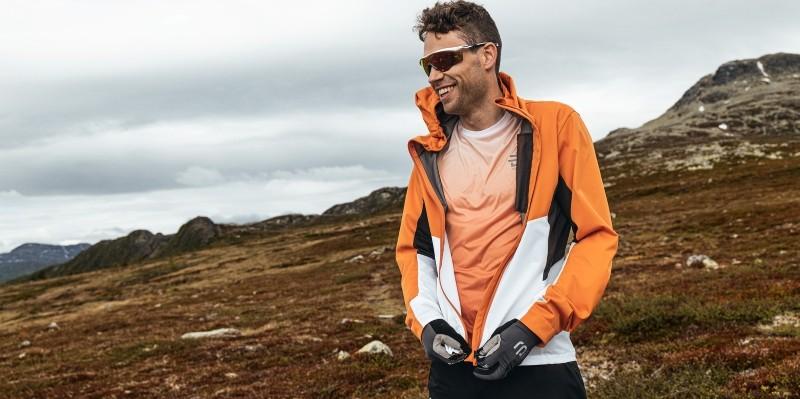
Thermal regulation is one of the main challenges in winter trail running. The aim is to retain body warmth while preventing the build-up of perspiration.
A breathable base layer
The base layer must efficiently wick away moisture. Technical synthetic fabrics or merino wool are particularly suitable, as they continue to provide insulation even when slightly damp.
A thermal mid layer
When temperatures drop, a lightweight insulating layer helps to retain the heat generated by physical activity.
A protective jacket against wind and rain
A windproof and/or waterproof trail running jacket shields you from wind and precipitation while allowing moisture vapour to escape.
Remove a layer on the ascent to prevent overheating
On a long climb or one with significant elevation gain, it’s often best to take off a layer before you start to overheat. A damp garment will quickly make you feel cold once the intensity drops.
Pro tip: always keep your jacket in your hydration vest so you can put it on quickly during a break or when you reach an exposed, windy section.
Protecting extremities: an often-underestimated aspect
When temperatures drop, the body naturally reduces blood flow to the extremities in order to maintain core warmth.
Protecting the hands
Lightweight gloves help retain warmth while maintaining good dexterity for handling equipment or opening flasks.
Protecting the head and neck
A lightweight beanie and a neck gaiter help minimise heat loss in windy conditions. It is estimated that around 30% of body heat can be lost through the head, making it a crucial area to protect when the temperature falls.
Protecting the feet
Technical trail socks designed for performance help reduce moisture build-up and friction.
Which shoes should you wear for winter trail running?
Trail running shoes play a crucial role when the ground becomes slippery or unstable.
Running on muddy terrain
In winter, many trails become muddy. Outsoles with deep lugs provide better grip and help prevent energy loss with every stride.
Running on compacted snow
On firm snow, the lugs on the sole enhance traction and stability.
Running on frozen or icy ground
When the trails are frozen, some trail runners use removable micro-crampons to improve grip on hard surfaces.
Expert tip: on icy terrain, slightly shortening your stride improves stability and reduces the risk of slipping.
Gore-Tex shoes: useful for winter trail running?
Gore-Tex trail running shoes are often favoured in winter as their waterproof membrane effectively protects against moisture, slush, and puddles on the trails. They help keep your feet drier when the ground is very wet.
However, this protection has its limits: even though the Gore-Tex membrane remains breathable, it is generally less so than a standard trail running shoe. During intense or long runs, perspiration may therefore not evacuate as easily.

Hydration and nutrition in cold conditions
Cold conditions often reduce the sensation of thirst. However, the body continues to lose water and energy during exertion.
A less noticeable feeling of thirst
Even when you don’t feel hot, dehydration can still occur during a long outing.
Preventing water from freezing
When temperatures drop below zero, water can freeze inside soft flasks or hydration bladder hoses. Keeping your flasks close to your body helps to minimise this issue.
Maintaining energy intake
On longer outings, energy bars and gels help sustain your effort despite the cold temperatures.
Safety: visibility and battery life
Shorter days and winter weather conditions often reduce visibility. Suitable gear improves safety on the trails.
Using a head torch
A head torch is essential for running early in the morning or late in the day.
Improving visibility
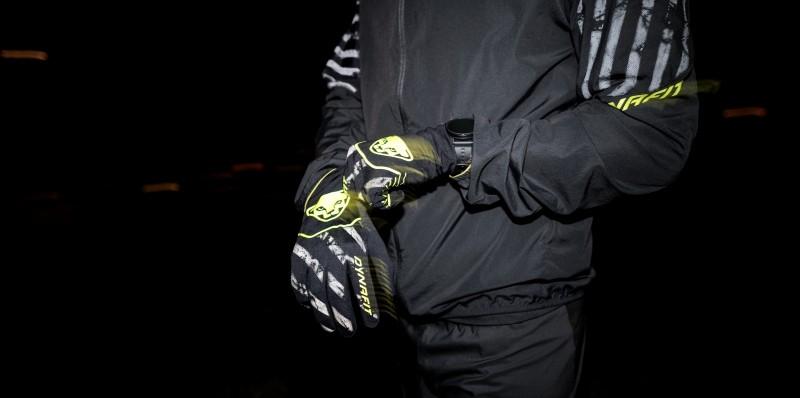
Reflective clothing and accessories enhance visibility when light levels are low.
Preserving device battery life
Cold temperatures can shorten battery performance. Phones should therefore be kept in a pocket close to the body. As for watches, they are best protected under your sleeve.

Preparation and Training: Trail Running in Winter under the Right Conditions
Trail running in winter is not just about choosing the right gear. Cold temperatures, unstable terrain and shorter days also require you to adapt both your physical and mental preparation.
Proper preparation helps reduce the risk of injury, improves cold management and maintains motivation throughout the winter months.
A More Gradual Warm-Up
In cold weather, muscles and joints take longer to reach their optimal operating temperature. A progressive warm-up is therefore essential before tackling a climb or any intense workout.
Start with a few minutes of brisk walking or very light jogging to gradually raise your body temperature and improve joint mobility.
Expert tip: in winter, extend your warm-up by a few extra minutes to prepare your muscles and reduce the risk of injury.
Adjusting Training Intensity
Winter conditions can make trails more technical: mud, snow or ice require greater focus and stability.
It can be beneficial to adjust the intensity of your sessions and prioritise consistency over pure performance.
Winter is often the ideal time to work on aerobic endurance and strengthen your physical foundation ahead of spring objectives.
Preparing Mentally for Winter Runs
Shorter days, cold temperatures and wet weather can reduce motivation. However, running through winter helps build strong mental resilience.
Planning your runs, varying your routes and running with others when possible are effective ways to stay motivated during this period.
Anticipating Weather Conditions
Before heading out, it’s advisable to check the weather forecast and the condition of the trails.
In winter, a rapid change in conditions can turn an easy route into a more technical one. Adapting your itinerary and allowing a safety margin remain essential.
Common Mistakes in Winter Trail Running
Underestimating the Effect of Wind
Even in mild temperatures, wind can cause rapid body heat loss.
Overdressing
Wearing too many layers often leads to excessive sweating, which cools the body once the intensity decreases. Naturally, non-technical fabrics such as cotton should be avoided.
Choosing an Unsuitable Route
Some trails become technical or even hazardous in winter. Adapting your route to the conditions remains crucial.
Forgetting Sunglasses
Even when the trail itself isn’t fully snow-covered, surrounding snow can strongly reflect sunlight. This glare can make it harder to read the terrain and to spot winter hazards such as puddles, frozen patches or thin layers of ice.

What gear do you need for winter trail running? (summary)
| Conditions | Goal | Recommended equipment |
|---|---|---|
 Cold dry weather
|
Stay warm without overheating | Breathable base layer + lightweight insulating mid-layer + windproof jacket |
 Snow
Snow
|
Enhance traction and maintain warmth | Shoes with aggressive lugs, breathable layering system |
 Frozen ground
|
Reduce the risk of slipping | Trail running shoes + optional removable micro-crampons |
 Low light
|
See and be seen | Head torch + reflective details |