


Sports Compression Socks
Designed to enhance blood circulation, sports compression socks optimise muscle recovery and reduce fatigue during exertion. Whether for trail running, road running or hiking, they provide targeted calf support, minimise muscle vibration and promote venous return. Particularly beneficial during long outings or in the post-exercise recovery phase. Discover our full range of orthotics and compression products engineered for athletes seeking both performance and comfort. Specialist brands such as BV Sport and Thuasne offer models tailored to meet the demands of athletes.
Read more Show less

-
Recommended price
£26.31
-30%
£18.39
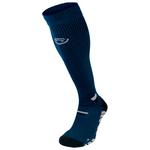
With the support and degressive compression they provide, the Thuasne Mid-Calf Up Activ socks are to be used during and after a trail running or hiking session.
- M- (35-38)
- L- (35-38)
- L (39-42)
- L+ (43-46)
-
Recommended price
£43.91
-20%
£35.11
- S+ (30-34)
-
Recommended price
£43.91
-20%
£35.11
- S (30-34)
- S+ (30-34)
- M+ (34-38)
- L+ (38-43)
-
Recommended price
£43.91
-30%
£30.71
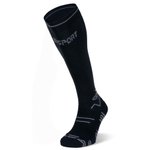
Ideal for trail running, the Bv Sport Trail Compression Socks Black Grey offer more muscle support than compression to improve venous return and muscle, tendon and ligament oxygenation.
- S+ (30-34)
-
Recommended price
£43.91
-20%
£35.11
- S (30-34)
- S+ (30-34)
- M (34-38)
- L (38-43)
- L+ (38-43)
Loading...
The benefits of compression socks for trail running
In trail running, the leg muscles are put under significant strain by the duration of the effort, changes of pace and the succession of climbs and descents. The sports compression sock supports the foot, ankle and calf to help reduce muscular vibration and the sensation of heavy legs.
Unlike a standard sports sock, it combines compression, breathability, moisture management and protection against chafing.
Compression socks for running and recovery
The choice depends mainly on when they will be worn. A pair used during a race does not face exactly the same demands as socks intended for recovery.
| Use | Main aim | Key features to prioritise |
|---|---|---|
| During the run | Calf support, reduced vibration | Breathability, precise support, reinforced heel/toe/ankle areas, knee-high sock or sleeve |
| After the run | Venous return, reduced heavy legs | Graduated compression, comfort, easy to put on |
Choosing the right sports compression socks
A size suited to the calf
Shoe size is not always enough. Depending on the brand, also measure the calf circumference, ideally in the morning. A size that is too large reduces support; a size that is too small can cause discomfort, tingling or numbness. Always consult the manufacturer’s size guide.
Foot comfort
For running, look for flat seams, reinforced zones and a breathable fabric. The sock should stay in place without creasing or causing hot spots.
A model suited to the effort
Compression is especially useful for long runs, trail races and periods of sustained training. For a short session, the choice depends more on the comfort you are after.
Frequently asked questions about sports compression socks
What are compression socks for sport used for?
They apply controlled pressure around the leg to support the calf and promote venous return. During exercise, they can help reduce muscular vibration. After activity, they aid recovery and reduce the sensation of heavy legs.
When should you wear compression socks in trail running?
They can be worn during a long outing to support the calf or after finishing to aid recovery. Always test the model in training before using it in competition.
Can you run in compression socks?
Yes, provided you choose a model designed for sport, breathable and suited to the shape of the calf. Remove them if you experience pain, numbness or tingling.
What is the difference between sports compression and medical compression?
Sports compression is designed for support and comfort during or after exercise. Medical compression meets precise pressure levels to treat certain venous conditions and requires advice from a healthcare professional.
What are the disadvantages of compression socks?
An unsuitable size or level of compression can cause discomfort, a constricting sensation, tingling or poor tolerance to heat. Certain vascular or skin conditions may also be a contraindication.
How do you wash compression socks?
Follow the manufacturer’s instructions. Use a gentle wash at low temperature and avoid harsh products, high spin speeds and tumble drying in order to preserve the compression fibres.