


2-day hiking backpacks
Looking for a backpack for a 2-day trek?
Here is a selection of 2-day backpacks that should suit your needs. Just like hiking boots, a good backpack is essential for bivouacking. These multi-day hiking backpacks from top outdoor brands offer enough volume to carry all your gear. In this 2-day backpack category, you'll mainly find 30-litre models and 40-litre models, which, for the more minimalist among you, can even work for longer treks. A trekking mattress, a sleeping bag, or a stove for wild camping or overnight stays in shelters — you’ll fit all the essentials.
Read more Show less

-
Recommended price
£237.51
-14%
£202.31
-
- L-XL (48-58.5)
-
Recommended price
£193.51
-20%
£153.91
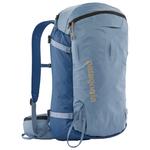
Patagonia's PowSlayer Pack 38 Barnacle Blue backpack offers generous volume, comfortable carrying and eco-friendly design for alpine adventures.
- M (66-119)
- L (71-124)
-
Recommended price
£140.71
-12%
£123.11
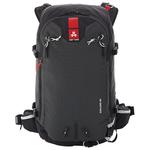
The Arva Explore 40 Black backpack offers ski tourers a spacious, stable, and eco-friendly solution for organizing gear efficiently during multi-day mountain adventures.
-
Recommended price
£140.71
-25%
£105.51
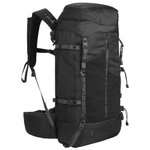
The Picture Off Trax 30+10 Backpack Black is a versatile, eco-friendly hiking backpack with an expandable 30-40 litre capacity, ergonomic design, and high-tech features for optimal outdoor adventures.
-
Recommended price
£193.51
-13%
£167.11
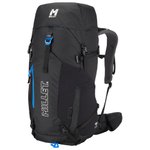
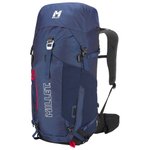
The Millet Peuterey 35+10 Women’s backpack offers an adjustable capacity of 35+10 litres, making it ideal for carrying all the gear you need for a two-day trip.

-
Recommended price
£167.11
-15%
£140.71

-
Recommended price
£167.11
-15%
£140.71

-
Recommended price
£237.51
-14%
£202.31
-
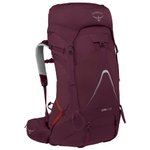
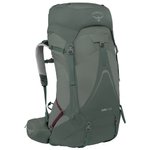
- M-L (40.5-50.5)
-
Recommended price
£167.11
-15%
£140.71
-
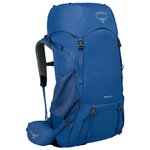
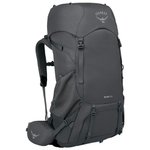
-
Recommended price
£167.11
-15%
£140.71
-
-
Recommended price
£167.11
-15%
£140.71
-
Recommended price
£167.11
-15%
£140.71
-
-
Recommended price
£167.11
-15%
£140.71
-
INCLUDED
DAY RETURNS
Fixed costs
-
Recommended price
£193.51
-29%
£136.31
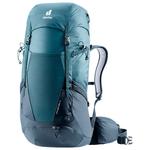
The Deuter Futura Pro 40 Atlantic Ink is a durable, ergonomic 40-liter hiking backpack, ideal for two-day excursions.
-
Recommended price
£167.11
-15%
£140.71
-
-
Recommended price
£149.51
-11%
£131.91

-
Recommended price
£167.11
-15%
£140.71
-
-
Recommended price
£114.31
-10%
£102.87
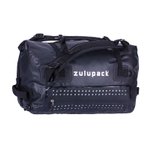
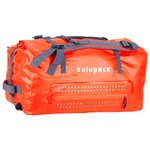
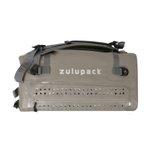
The Zulupack Borneo 45L Fluo Orange is a durable, weather-resistant dry bag with a 45L capacity, featuring a removable pouch, a compartment for wet clothing.


Loading...
Which backpack should you choose for a 2-day hike?
Tent bivouac or night in a mountain hut?
When heading out for a 2-day hike, you have two options: bivouacking in a tent or staying in a mountain hut. Depending on your choice, your backpack’s contents will vary.
In a staffed hut: This type of accommodation lets you skip a lot of gear, lightening your load and reducing your backpack volume. No need for cooking gear, food supplies, or even a sleeping bag — a simple sleeping liner will do, helping you avoid itching from wool blankets.
Tent bivouac: If you're spending 2 days in the wild, you’ll need to plan carefully. Without shelter access, drying gear is not an option. Monitor the weather and pack appropriate clothing in case of rain. If you’re hiking solo, you won’t be able to rely on others, so carry everything needed to ensure your safety. Sleeping well, eating properly and staying warm will be your priorities — a more technical, higher-volume backpack is strongly recommended.
Small or large volume – what should you pack?
Volume is an important factor when choosing your 2-day hiking backpack. These technical packs have a larger capacity than daypacks, offering more storage space and compartments to carry all your bivouac essentials.
A 2-day hiking backpack often includes technical features and compartments, making it well-suited for ski touring and more demanding mountain activities (climbing, mountaineering). To offset the added volume, most models feature a lightweight construction while remaining durable thanks to materials like polyamide and various types of nylon.
A technical backpack for your mountain gear
These hiking packs are especially well-adapted to carrying mountain gear: crampons, ice axes, trekking poles, skis, snowboards or snowshoes. They’re highly versatile, often compressible to reduce unused space, and can be used both for short day hikes and longer alpine outings.
Although slightly heavier due to their features, they remain very comfortable thanks to adjustable straps, padded waist belts, and chest support systems.
Breathable, ventilated backpack comfort
On a bivouac trek, your backpack becomes your most loyal companion over long days of hiking. For optimal comfort, choose a breathable pack designed for 2-day treks. Ventilation helps air circulate and reduces moisture buildup — especially helpful during rest breaks. Explore nature freely while enjoying maximum comfort thanks to our selection from top brands on Glisshop.
Ultralight and comfortable — how much should your backpack weigh?
The ideal weight of a 2-day hiking backpack depends on the season, climate, destination, your personal needs, and the type of gear you bring. However, the “one-third rule” is a good reference to calculate backpack weight based on your body weight.
Body weight: If you weigh 70 kg, one third would be around 23 kg.
Backpack weight: For a 2-day hike, aiming for a pack between 7 and 10 kg is a good guideline — including both the pack and all your gear.
These figures can vary depending on your experience and comfort level. Here are a few tips to manage backpack weight effectively:
- Prioritise the essentials: Only bring what you truly need. Leave behind non-essential items to reduce weight.
- Lightweight gear: Invest in lightweight gear when possible, such as compact sleeping bags and tents.
- Compact food: Choose light, nutritious food that doesn’t take up too much space. Dehydrated meals are now widely popular — originally used by athletes and explorers, they’re now a go-to for hikers looking to reduce pack weight.
- Avoid duplicates: Make sure every item has a clear purpose. Avoid redundancy. If hiking as a group, share the load: one person carries the stove, another the gas canister, and another the snacks.
To sum up: for a 2-day hike, a backpack weighing 7–10 kg (about a third of your body weight) is a sensible goal. Adjust based on your preferences and specific route conditions.
How to pack your backpack effectively?
Distributing the load correctly in your 2-day hiking pack is essential for balance, comfort and stability. Here’s how to do it:
- Main compartment: Place heavier items close to your back at shoulder blade height. This keeps the centre of gravity close to your spine for better balance. Store lighter items towards the top and front of the compartment.
- Frequently used items: Keep things like snacks, first aid kits or a light jacket in external pockets or compartments for easy access.
- Heavy/hard items: Centralise heavier and solid objects like food, cookware, or metal items near the back panel.
- Sleeping bag: Store it at the bottom of the pack — many hiking backpacks have a dedicated lower compartment for this.
- Clothing & lighter gear: Place bulky but light items like down jackets towards the top or outer areas.
- Centred load: If carrying heavy items like tents or pots, make sure they are centred to avoid imbalance.
- Hydration: Use a hydration bladder sleeve or external pocket for easy access to water.
- Practical accessories: Attach small, handy items like hats, sunglasses or trekking poles to the outside using straps or carabiners.
Following these tips will help ensure a comfortable and balanced carry, so you can fully enjoy your adventure in the outdoors.
We also offer a wide range of daypacks as well as dedicated trekking backpacks for 3+ days.