
The hydration vest, also known as a trail running pack, is an essential piece of kit to ensure self-sufficiency during a run. Whether you’re training for a 10 km or an ultra-trail, the right model will allow you to carry water, nutrition and safety gear without restricting your movements. To choose the right one, you need to consider the capacity, hydration system, fit, pocket accessibility and race conditions. Your needs will vary depending on the distance, weather, terrain and the mandatory equipment required by the organisers.

Key points
- Choose an appropriate capacity: 2-4L for short runs, 5-8L for mid-distance formats, and 8-15L or more for long-distance trails.
- The hydration system can rely on soft flasks or a hydration bladder, depending on the level of self-sufficiency required.
- A well-fitted, stable and breathable vest reduces chafing and bounce.
- The fit of the vest should match your body shape and offer precise adjustment across the chest.
- Women’s models feature an ergonomic cut for enhanced comfort.
- Consider weight distribution, easy pocket access and useful accessories such as pole holders or a safety whistle.
Hydration vest for trail running: an essential piece of equipment
In trail running, self-sufficiency is key. A hydration pack or vest allows you to carry water, energy bars, an emergency blanket, a phone or a waterproof jacket. This gear is crucial, especially on routes without aid stations, in the mountains or when mandatory kit requirements are extensive. It ensures consistent hydration and optimal comfort even on technical terrain. The Salomon Active Skin range, for example, offers three capacities for different needs: 4, 8 and 12 litres.
What capacity should you choose for your hydration pack or vest?
- Short runs (under 2h): opt for minimalist vests or hydration belts, between 2 and 4L, for maximum lightness.
- Medium-distance trails (2 to 5h): a 5 to 8L pack provides good autonomy while remaining compact.
- Ultra-trails and long-distance events: choose a capacity of 8 to 15L, or more depending on the gear required.
The ideal capacity doesn’t depend solely on distance. It also varies according to weather conditions, terrain, altitude, the presence of aid stations and the mandatory equipment list. In some races, these factors require a larger vest even for moderate distances.

Vest, belt or trail pack: which should you choose?
The hydration vest is the most versatile option for trail running. It offers an excellent balance between stability, storage capacity and freedom of movement. The hydration belt is better suited to short outings with minimal gear. A larger trail pack becomes relevant for long distances, greater self-sufficiency or demanding routes requiring mandatory equipment.


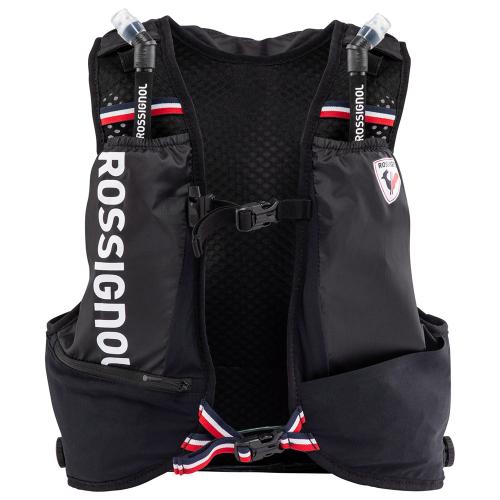
Choosing the right hydration system
There are two main options for effective hydration during a run:
- Soft flasks: positioned on the shoulder straps, they are easy to refill, simple to clean and ideal for races with aid stations.
- Hydration bladder: with a capacity of 1 to 3L, it allows continuous drinking through a hose. It’s well suited to long, self-supported outings.
Make sure your pack is compatible with the chosen hydration system. The attachments should minimise water movement for maximum comfort. Also check whether the flasks or bladder are included, as some vests are sold without a hydration system.
Ergonomics, fit and comfort
A good trail running vest should conform to your body shape to prevent chafing and distribute weight evenly. Choosing the right size is crucial: a loose vest will bounce, while one that’s too tight will restrict movement and cause discomfort.
- Choose a size suited to your torso with precise adjustment.
- Favour ergonomic shoulder straps and a ventilated back panel.
- Opt for adjustable chest straps for a stable fit.
- A women-specific cut often provides better comfort around the chest.
The total weight, including pack and contents, directly affects fatigue. Compression or tightening systems are useful to maintain stability, even when the vest isn’t fully loaded. It’s also advisable to test the vest fully packed before a race to confirm real-world comfort.
Practical features and accessories
- Multiple pockets: to store keys, gels, phone and energy bars.
- Quick access storage: essential for grabbing a flask, gel or jacket without losing time.
- Pole carry system: useful on mountain routes.
- Built-in whistle and magnetic race number holder on some models.
- Reflective details: for improved safety during night runs.
A good vest should not only provide storage space but also allow for logical and stable organisation, preventing the load from shifting when the pack is only partially filled.

Hydration vests according to your profile
Women’s hydration vest
Women’s vests feature narrower straps, a shorter fit and weight distribution tailored to the female anatomy. They provide optimal comfort, even over long distances.
Men’s running vest
Men’s models offer various volumes and adjustment systems designed to maintain stability while running. The choice mainly depends on body shape, desired capacity and type of activity.
Ultra-trail hydration vest
For ultra-trail events, a vest with 8 to 15L capacity is generally recommended, sometimes more depending on race regulations. It must carry mandatory gear such as an emergency blanket, head torch, spare clothing, phone, food and enough water for self-sufficiency.
And for the Ultra-Trail du Mont-Blanc, what do you need?
For the UTMB, the hydration pack must meet specific requirements related to self-sufficiency and race regulations. It needs to carry all mandatory equipment, with no option to change gear during the race, meaning a larger volume than for shorter formats. The capacity depends on your kit and typically ranges from 8 to 15 litres. It must also provide sufficient hydration capacity, usually between 1 and 2 litres, while ensuring quick access and efficient organisation between flasks and bladder. Mountain race conditions, which can be extreme and unpredictable, also require carrying extra layers, highlighting the importance of modularity, support and pack stability, especially as it is checked and forms an integral part of the runner’s safety and performance strategy.
Preparing your hydration vest before the race
Before each outing, check:
- The filling of the bladder or flasks.
- The presence of your energy bars, gels or nutrition supplies.
- The safety essentials: whistle, emergency blanket, charged phone, head torch if needed.
- The proper adjustment of straps and even weight distribution.
- The mandatory gear required by the organiser, such as a reusable cup or protective clothing depending on conditions.
Maintaining your hydration system
Soft flasks are generally easy to rinse and dry. The hydration bladder requires more care, especially after using energy drinks or in hot weather. Regular maintenance prevents unpleasant odours and ensures cleaner hydration over time.
The best trail running vest brands available at Glisshop
Brands such as Salomon, Oxsitis, BV Sport, TSL and Dynafit offer models suited to different levels of practice. Choosing a brand should primarily depend on comfort, fit, storage design and the balance between included equipment and intended use.